

Introduction
In today’s fast-paced world, many people appear successful, productive, and highly organized on the outside. They meet deadlines, achieve goals, and maintain social relationships without difficulty. However, behind this confident appearance, many individuals silently struggle with anxiety that often goes unnoticed. These hidden struggles are commonly referred to as signs of high functioning anxiety.
Unlike other anxiety disorders that clearly interfere with daily functioning, high functioning anxiety often hides behind productivity, perfectionism, and achievement. People experiencing signs of high functioning anxiety may appear calm and successful, but internally they deal with constant worry, overthinking, and emotional stress.
Recognizing the signs of high functioning anxiety is important because untreated anxiety can slowly affect mental health, relationships, and overall well-being. Many individuals ignore these symptoms for years because they believe anxiety is the reason behind their success.
This detailed guide will help you understand the signs of high functioning anxiety, their causes, emotional and physical symptoms, and practical strategies to manage them effectively.
Table of Contents
- What is High Functioning Anxiety?
- Why High Functioning Anxiety Often Goes Unnoticed
- 15 Major Signs of High Functioning Anxiety
- Causes of High Functioning Anxiety
- Emotional Symptoms of High Functioning Anxiety
- Physical Symptoms of High Functioning Anxiety
- Effects on Relationships and Work Life
- Long-Term Risks of Ignoring Anxiety
- How to Manage High Functioning Anxiety
- When to Seek Professional Help
- Frequently Asked Questions
- Conclusion
What is High Functioning Anxiety?
High functioning anxiety is a form of anxiety where individuals manage to perform well in daily life despite experiencing internal stress and worry. People showing signs of high functioning anxiety may appear confident, organized, and productive.
They often achieve professional success, maintain social relationships, and meet responsibilities efficiently. However, internally they may experience:
- Constant overthinking
- Fear of failure
- Persistent worry
- Emotional tension
Because individuals showing signs of high functioning anxiety continue to function normally in daily life, their anxiety often remains undiagnosed.
Why High Functioning Anxiety Often Goes Unnoticed
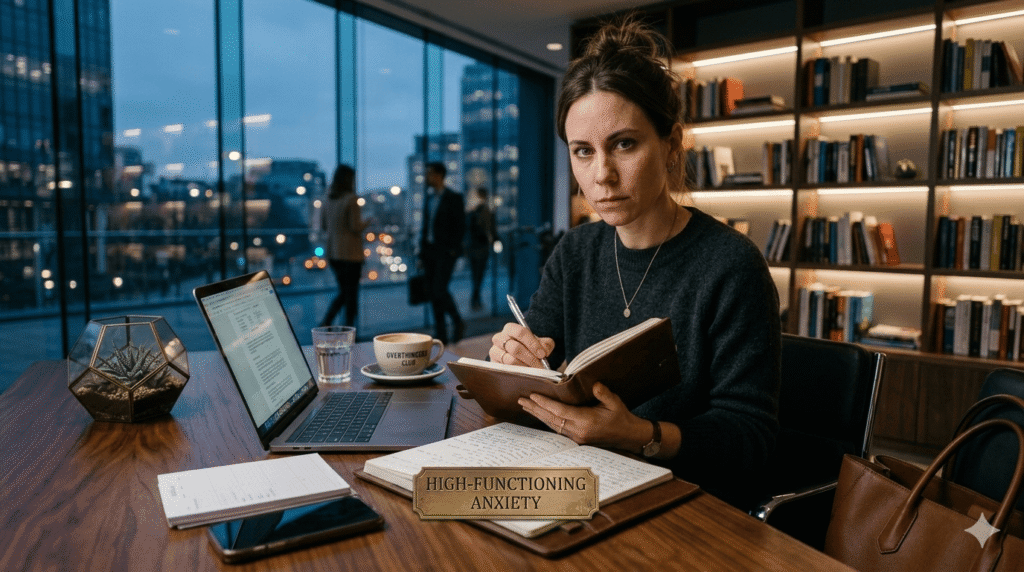
One reason why the signs of high functioning anxiety remain hidden is that society often rewards behaviors linked with anxiety, such as perfectionism, productivity, and overachievement.
People experiencing signs of high functioning anxiety may appear:
- Highly motivated
- Extremely organized
- Responsible and reliable
- Hard-working and disciplined
Because these traits are seen as positive, the underlying anxiety is rarely recognized.
Many individuals ignore the signs of high functioning anxiety because they believe their stress helps them stay productive. Over time, however, this internal pressure can become overwhelming.
15 Major Signs of High Functioning Anxiety
Understanding the signs of high functioning anxiety can help individuals recognize when their productivity may actually be driven by stress.
Below are the most common indicators.
1. Constant Overthinking
One of the most common signs of high functioning anxiety is excessive overthinking. People may repeatedly analyze conversations, decisions, and future possibilities.
They often ask themselves questions like:
- Did I say the right thing?
- What if I made a mistake?
- What will happen tomorrow?
Even small decisions can cause mental exhaustion. Individuals experiencing signs of high functioning anxiety may spend hours replaying situations in their mind.
2. Perfectionism
Perfectionism is another major indicator among the signs of high functioning anxiety. People set extremely high standards for themselves and fear making mistakes.
They may believe that:
- Success requires perfection
- Failure is unacceptable
- Small errors can ruin their reputation
This perfectionist mindset often increases stress levels in individuals showing signs of high functioning anxiety.
3. Fear of Failure
A strong fear of failure is one of the most noticeable signs of high functioning anxiety.
People may constantly worry about disappointing others or losing opportunities. This fear drives them to work harder but also creates emotional pressure.
Individuals experiencing signs of high functioning anxiety often feel that their self-worth depends on their achievements.
4. Difficulty Relaxing
People showing signs of high functioning anxiety often struggle to relax, even during free time.
They may feel guilty when they are not being productive. Activities like watching TV or resting can create discomfort because their mind constantly focuses on unfinished tasks.
This inability to relax is one of the hidden signs of high functioning anxiety that many people ignore.
5. Overworking and Overachieving
Another common behavior linked to the signs of high functioning anxiety is excessive work.
Individuals may:
- Work longer hours than necessary
- Take on multiple responsibilities
- Struggle to say no to tasks
Although this may appear as dedication, it can actually be driven by internal anxiety.
6. Need for Constant Reassurance
People experiencing signs of high functioning anxiety often seek reassurance from others.
They may ask questions like:
- Did I do a good job?
- Are you sure everything is okay?
- Did I make the right decision?
This need for reassurance comes from self-doubt and fear of making mistakes.
7. Difficulty Saying No
One of the behavioral signs of high functioning anxiety is the inability to say no to requests.
Individuals may agree to tasks even when they feel overwhelmed. They worry that refusing requests may disappoint others.
This pattern can increase stress and burnout in people experiencing signs of high functioning anxiety.
8. Procrastination Despite Productivity
Surprisingly, procrastination can also appear among the signs of high functioning anxiety.
People may delay tasks because they fear doing them imperfectly. Eventually, they complete the work under pressure, which reinforces their anxiety cycle.
9. People-Pleasing Behavior
People-pleasing is another common characteristic of the signs of high functioning anxiety.
Individuals may prioritize others’ needs over their own to avoid conflict or criticism. They often seek approval and validation from others.
10. High Self-Criticism
People showing signs of high functioning anxiety often judge themselves harshly.
Even after achieving success, they may focus on small mistakes or imperfections. This constant self-criticism can damage self-confidence over time.
11. Trouble Sleeping
Sleep problems are common among the signs of high functioning anxiety.
Individuals may struggle with:
- Racing thoughts at night
- Difficulty falling asleep
- Waking up frequently
Their mind remains active even when the body needs rest.
12. Restlessness
Feeling restless or unable to sit still is another indicator of the signs of high functioning anxiety.
People may constantly move, fidget, or multitask to manage their internal stress.
13. Overpreparing for Everything
One of the subtle signs of high functioning anxiety is excessive preparation.
Individuals may prepare for meetings, conversations, or events far more than necessary because they fear unexpected situations.
14. Difficulty Accepting Compliments
People experiencing signs of high functioning anxiety often struggle to accept praise.
Instead of feeling proud, they may believe they were simply lucky or that they could have done better.
15. Hidden Emotional Exhaustion
Despite appearing successful, individuals showing signs of high functioning anxiety often feel emotionally exhausted.
They may constantly push themselves to maintain high performance while ignoring their mental health needs.
Causes of High Functioning Anxiety
Several factors contribute to the development of signs of high functioning anxiety.
1. Childhood Expectations
Growing up with high expectations can lead to pressure to succeed, which later appears as signs of high functioning anxiety.
2. Personality Traits
Certain personality traits such as perfectionism or sensitivity can increase the risk of experiencing signs of high functioning anxiety.
3. Social Pressure
Modern society values productivity and success. This pressure can trigger the signs of high functioning anxiety in many individuals.
4. Past Failures or Trauma
Past negative experiences can create fear of repeating mistakes, which contributes to the signs of high functioning anxiety.
Emotional Symptoms of High Functioning Anxiety
The emotional signs of high functioning anxiety may include:
- Constant worry
- Irritability
- Self-doubt
- Feeling overwhelmed
- Fear of criticism
These feelings often remain hidden behind professional success.
Physical Symptoms of High Functioning Anxiety
Anxiety does not only affect the mind. The signs of high functioning anxiety may also appear physically.
Common symptoms include:
- Headaches
- Muscle tension
- Fatigue
- Rapid heartbeat
- Digestive problems
These symptoms can worsen if the signs of high functioning anxiety remain untreated.
Effects on Relationships and Work Life
Although people showing signs of high functioning anxiety perform well professionally, their anxiety can affect relationships.
They may:
- Avoid conflict
- Overcommit to responsibilities
- Struggle to express emotions
Over time, the pressure caused by the signs of high functioning anxiety can lead to burnout.
Long-Term Risks of Ignoring Anxiety
Ignoring the signs of high functioning anxiety can create serious long-term mental health challenges.
Possible risks include:
- Chronic stress
- Depression
- Burnout
- Sleep disorders
- Emotional exhaustion
Early recognition of the signs of high functioning anxiety can help prevent these issues.
How to Manage High Functioning Anxiety
Managing the signs of high functioning anxiety requires awareness, lifestyle changes, and sometimes professional support.
Practice Mindfulness
Mindfulness helps individuals stay present and reduce overthinking linked to the signs of high functioning anxiety.
Set Realistic Expectations
Reducing perfectionism can significantly lower the signs of high functioning anxiety.
Establish Healthy Boundaries
Learning to say no can prevent burnout caused by the signs of high functioning anxiety.
Exercise Regularly
Physical activity helps reduce stress hormones associated with the signs of high functioning anxiety.
Consider Therapy
Professional therapy can help individuals understand and manage the signs of high functioning anxiety more effectively.
When to Seek Professional Help
If the signs of high functioning anxiety start affecting sleep, relationships, or work performance, it may be time to seek help.
Mental health professionals can provide strategies to manage stress and improve emotional well-being.
Frequently Asked Questions About Signs of High Functioning Anxiety
1. What are the most common signs of high functioning anxiety?
The signs of high functioning anxiety often appear subtle because people experiencing them usually manage their daily responsibilities effectively. Unlike severe anxiety disorders that disrupt daily life, individuals with high functioning anxiety may appear successful, organized, and confident.
However, internally they may experience constant worry, overthinking, and emotional stress. Some of the most common signs of high functioning anxiety include perfectionism, fear of failure, difficulty relaxing, overworking, people-pleasing behavior, and constant self-criticism.
Many individuals also struggle with racing thoughts, sleep problems, and a strong need for reassurance. Even though they accomplish tasks efficiently, their motivation often comes from anxiety rather than confidence.
Recognizing these patterns early is important because untreated anxiety can slowly impact mental health, relationships, and overall well-being.
2. How is high functioning anxiety different from general anxiety?
The main difference lies in how the anxiety affects daily functioning. People with traditional anxiety disorders often struggle to complete tasks or participate in normal activities because their anxiety feels overwhelming.
In contrast, individuals showing signs of high functioning anxiety usually continue to perform well at work, school, or in social situations. They may appear calm and productive on the outside, but internally they are dealing with persistent worry and pressure.
For example, someone with high functioning anxiety may work extremely hard to avoid mistakes, constantly worry about performance, and overprepare for tasks. These behaviors can make them appear highly successful, which is why the signs of high functioning anxiety often go unnoticed.
However, this hidden anxiety can still cause emotional exhaustion and long-term stress if it is not managed properly.
3. Can someone be successful and still experience high functioning anxiety?
Yes, many successful individuals experience the signs of high functioning anxiety. In fact, some people achieve high levels of success because their anxiety pushes them to work harder, stay organized, and prepare thoroughly.
They may set extremely high standards for themselves and constantly strive for perfection. While this can lead to impressive achievements, it also creates internal pressure and fear of failure.
People with high functioning anxiety often feel that they must constantly prove themselves. Even after accomplishing goals, they may focus on minor mistakes rather than celebrating their success.
Over time, the signs of high functioning anxiety can lead to burnout if individuals continue pushing themselves without addressing their emotional well-being.
4. What causes high functioning anxiety?
There are several factors that may contribute to the development of signs of high functioning anxiety.
One common cause is childhood pressure or high expectations. People who grow up in environments where success is heavily emphasized may develop anxiety about meeting expectations.
Another factor is personality traits, such as perfectionism or being highly self-critical. Individuals who constantly evaluate their performance may become more vulnerable to anxiety.
Social influences can also play a role. Modern society often rewards productivity and achievement, which can reinforce behaviors linked to the signs of high functioning anxiety.
Past negative experiences, fear of failure, and a desire for approval may also contribute to this condition.
5. Are the signs of high functioning anxiety easy to recognize?
In many cases, the signs of high functioning anxiety are difficult to recognize because they are often disguised as positive traits.
For example, someone who works long hours may be seen as hardworking rather than anxious. Similarly, a person who carefully plans everything may appear organized rather than worried.
Because individuals with high functioning anxiety continue performing well, friends, family members, and coworkers may not notice their struggles.
Sometimes even the person experiencing the anxiety does not realize it. They may believe their stress is normal or necessary for success.
Understanding the subtle signs of high functioning anxiety can help people identify these patterns earlier and seek appropriate support.
6. Can high functioning anxiety affect physical health?
Yes, the signs of high functioning anxiety can affect both mental and physical health. Anxiety triggers the body’s stress response, which releases hormones such as cortisol and adrenaline.
When anxiety persists for long periods, it can lead to physical symptoms such as headaches, muscle tension, fatigue, digestive issues, and difficulty sleeping.
Many people experiencing high functioning anxiety also report feeling constantly tired even when they are productive throughout the day.
Over time, chronic stress linked to the signs of high functioning anxiety can weaken the immune system and increase the risk of other health problems.
Taking steps to manage anxiety is important not only for mental well-being but also for physical health.
7. Can high functioning anxiety lead to burnout?
Yes, burnout is a common consequence of untreated signs of high functioning anxiety.
People with this form of anxiety often push themselves to work harder, take on more responsibilities, and maintain extremely high standards. While this may lead to short-term success, it can eventually result in mental and emotional exhaustion.
Burnout may cause symptoms such as loss of motivation, irritability, decreased productivity, and difficulty concentrating.
When the signs of high functioning anxiety continue without proper coping strategies, individuals may feel overwhelmed and unable to maintain the same level of performance they once had.
Recognizing these warning signs early can help prevent burnout and support long-term well-being.
8. How can someone manage high functioning anxiety?
Managing the signs of high functioning anxiety involves developing healthier ways to cope with stress and reducing unrealistic expectations.
One effective strategy is practicing mindfulness or meditation, which helps calm the mind and reduce overthinking. Regular physical activity can also lower stress levels and improve mood.
Another important step is setting healthy boundaries. People with high functioning anxiety often struggle to say no, but learning to prioritize personal well-being is essential.
Developing self-compassion is also helpful. Instead of focusing on mistakes, individuals can learn to acknowledge their achievements and accept that perfection is not necessary.
For many people, therapy or counseling can provide valuable tools for managing the signs of high functioning anxiety.
9. When should someone seek professional help?
Professional help may be beneficial if the signs of high functioning anxiety begin to interfere with daily life or emotional well-being.
For example, if someone experiences constant stress, sleep problems, emotional exhaustion, or difficulty relaxing, it may be helpful to speak with a mental health professional.
Therapists can help individuals understand the underlying causes of their anxiety and develop practical strategies for managing it.
Seeking help does not mean someone is weak or incapable. In fact, addressing the signs of high functioning anxiety early can prevent more serious mental health challenges in the future.
10. Can high functioning anxiety be treated or reduced?
Yes, the signs of high functioning anxiety can be managed and significantly reduced with the right strategies.
Treatment may include therapy, lifestyle changes, stress-management techniques, and sometimes medication if recommended by a healthcare professional.
Cognitive behavioral therapy (CBT) is one of the most effective approaches because it helps individuals identify negative thought patterns and replace them with healthier thinking habits.
Over time, people can learn to maintain productivity without relying on anxiety as motivation.
With awareness, support, and healthy coping methods, it is possible to reduce the signs of high functioning anxiety and create a more balanced and fulfilling life.
Final Thoughts
The signs of high functioning anxiety can often remain hidden because they are masked by productivity, ambition, and outward success. Many people who experience these feelings appear calm, organized, and highly capable in their daily lives. They complete tasks efficiently, maintain responsibilities, and may even excel in their careers or academic pursuits. However, beneath this composed exterior, they may constantly struggle with internal worry, self-doubt, and the pressure to meet extremely high expectations.
One of the challenges in recognizing the signs of high functioning anxiety is that society frequently praises behaviors linked with anxiety, such as perfectionism, overachievement, and relentless dedication to work. These traits are often seen as indicators of discipline and determination. As a result, many individuals overlook the emotional strain that comes with them. People may continue pushing themselves to maintain a certain level of success without realizing that their motivation is fueled by stress and fear rather than genuine confidence or passion.
Another important point to understand about the signs of high functioning anxiety is that they can gradually affect multiple areas of life. Over time, constant pressure and worry can lead to emotional exhaustion, sleep difficulties, reduced concentration, and strained relationships. Individuals may find it difficult to relax, enjoy leisure activities, or celebrate their achievements because their minds are always focused on the next task or potential mistake.
Recognizing the signs of high functioning anxiety does not mean labeling yourself or others negatively. Instead, it is an opportunity to develop awareness and take steps toward healthier emotional habits. Awareness allows people to understand why they might feel overwhelmed despite appearing successful on the outside.
Healthy coping strategies can make a significant difference. Practicing mindfulness, setting realistic expectations, and learning to accept imperfections are all helpful ways to reduce the pressure associated with the signs of high functioning anxiety. Building supportive relationships and openly discussing mental health can also create a safer space for individuals to share their experiences without fear of judgment.
In many cases, professional support from therapists or counselors can help individuals explore the deeper causes behind the signs of high functioning anxiety and develop effective techniques for managing stress. Therapy can help people replace negative thinking patterns with healthier perspectives, allowing them to maintain productivity without feeling overwhelmed by constant worry.
Ultimately, success should not come at the cost of mental well-being. Recognizing and addressing the signs of high functioning anxiety can help individuals create a more balanced and sustainable approach to life. It allows people to remain motivated and ambitious while also prioritizing emotional health and personal happiness.
Conclusion
Understanding the signs of high functioning anxiety is essential in today’s fast-paced and achievement-focused world. Many individuals silently struggle with anxiety while continuing to perform well in their careers, studies, and personal lives. Because they appear capable and successful, their internal stress often goes unnoticed by others and sometimes even by themselves.
The signs of high functioning anxiety may include perfectionism, constant overthinking, fear of failure, difficulty relaxing, people-pleasing behavior, and a strong need for reassurance. While these behaviors may seem positive on the surface, they can create long-term emotional strain if left unaddressed.
Identifying the signs of high functioning anxiety is the first step toward improving mental well-being. Once individuals become aware of these patterns, they can begin making positive changes in their daily routines and thought processes. Learning to set boundaries, prioritize self-care, and challenge unrealistic expectations can significantly reduce anxiety and improve overall quality of life.
It is also important to remember that experiencing the signs of high functioning anxiety does not mean someone is weak or incapable. In fact, many people who experience this form of anxiety are highly intelligent, motivated, and responsible. Their desire to succeed often drives them to accomplish remarkable things. However, true success includes maintaining emotional balance and protecting mental health.
Seeking help when necessary is a sign of strength and self-awareness. Mental health professionals can provide valuable guidance and tools to manage the signs of high functioning anxiety effectively. With the right support and strategies, individuals can transform anxiety into healthy motivation rather than overwhelming pressure.
In the end, life should not be defined solely by productivity or achievement. Recognizing the signs of high functioning anxiety allows individuals to slow down, appreciate their accomplishments, and focus on living a balanced, fulfilling life. By prioritizing both success and well-being, people can create a healthier relationship with their goals, their work, and themselves.