
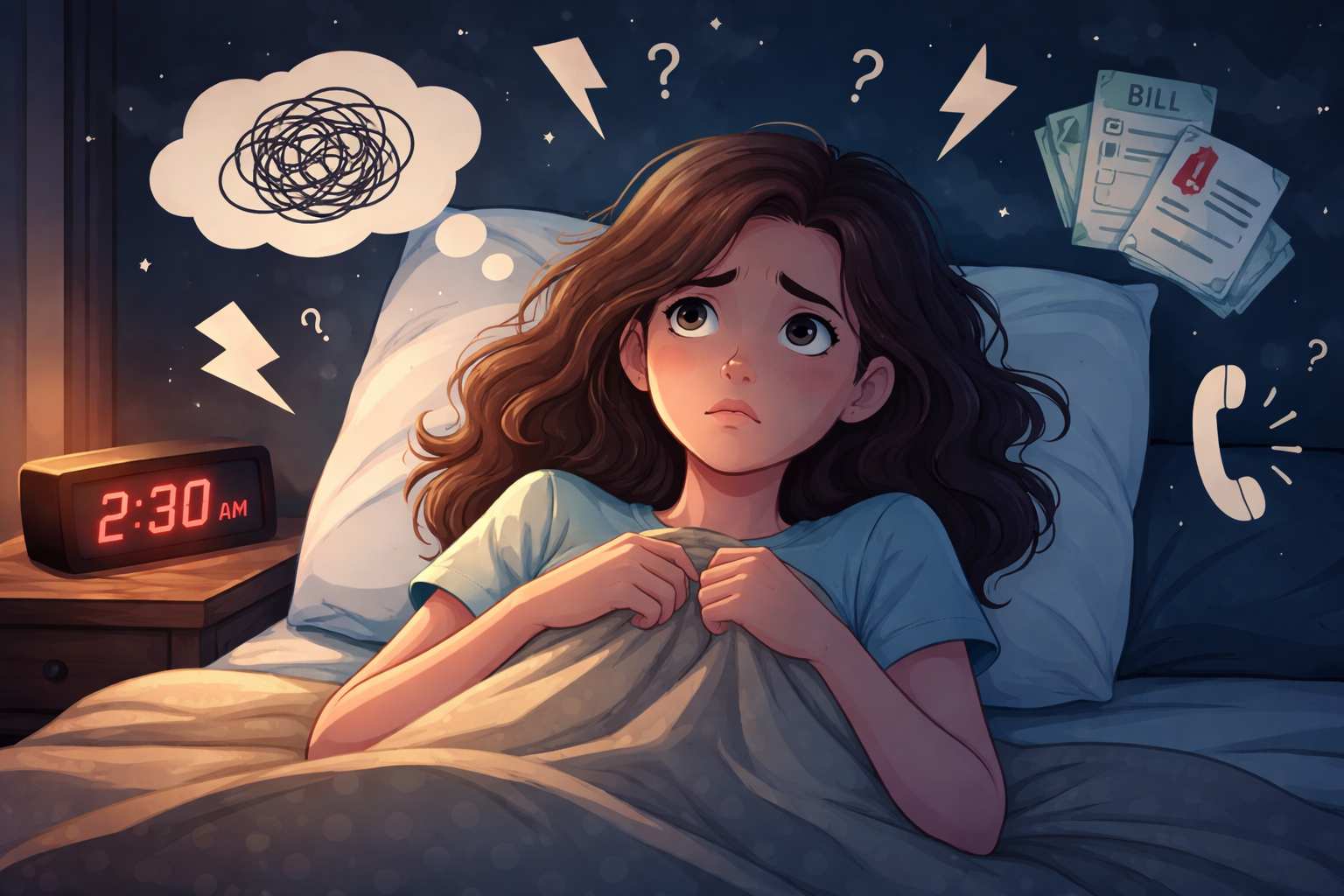
Sleep is one of the most important parts of a healthy life. However, many people struggle to sleep because their minds become overwhelmed with stress, fear, or worry at night. This condition is often called sleep anxiety. Understanding sleep anxiety causes can help people manage their mental health and improve their sleep quality.
Millions of people around the world experience difficulty sleeping because of anxiety. The mind keeps thinking about problems, responsibilities, fears, or future events, making it difficult to relax. When this happens repeatedly, it becomes a cycle that can harm both mental and physical health.
In this detailed guide, we will explore sleep anxiety causes, symptoms, psychological factors, lifestyle triggers, and practical ways to manage it. This article will help you understand why sleep anxiety happens and what you can do to overcome it.
What Is Sleep Anxiety?
Sleep anxiety is a condition where a person feels nervous, fearful, or stressed about sleeping. Instead of feeling relaxed at bedtime, the mind becomes alert and restless.
People experiencing sleep anxiety may worry about:
- Not being able to fall asleep
- Waking up during the night
- Not getting enough rest for the next day
- Losing control while sleeping
These worries trigger stress hormones, making it harder to fall asleep.
Understanding sleep anxiety causes is essential because anxiety related to sleep can lead to insomnia, fatigue, mood changes, and reduced productivity.
Sleep anxiety can affect people of all ages, including children, teenagers, adults, and elderly individuals.
Common Symptoms of Sleep Anxiety
Before discussing sleep anxiety causes, it is important to understand the symptoms. Many people experience sleep anxiety without realizing it.
Common symptoms include:
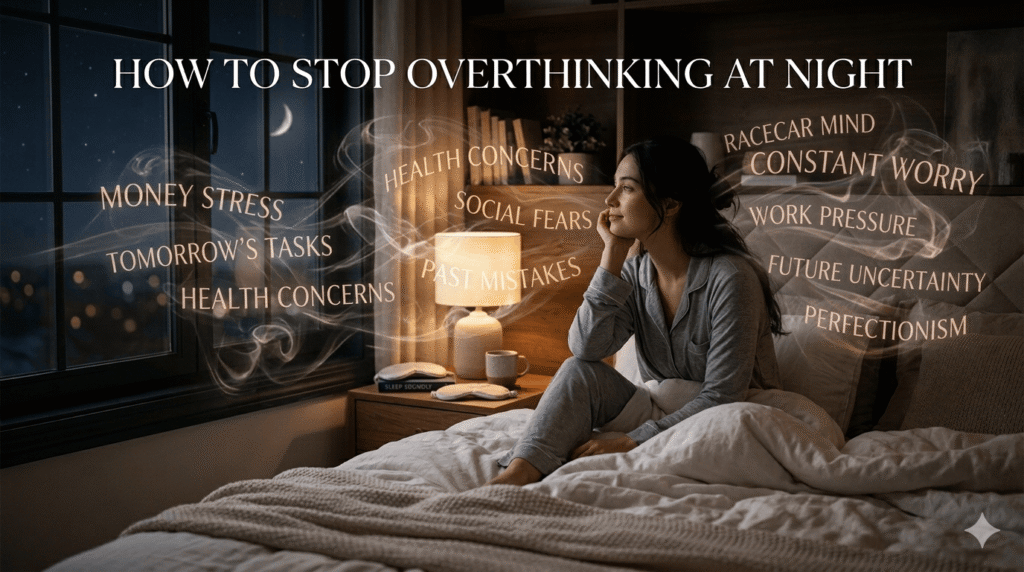
1. Racing Thoughts at Night
When trying to sleep, the brain becomes active with constant thinking.
2. Fear of Not Sleeping
Some people worry about not getting enough sleep, which ironically prevents them from sleeping.
3. Increased Heart Rate
The body remains in a state of alertness instead of relaxation.
4. Nighttime Panic Attacks
Some people wake up suddenly with intense fear or panic.
5. Difficulty Falling Asleep
Even when tired, the mind refuses to relax.
6. Frequent Night Waking
Sleep becomes fragmented and restless.
Many of these symptoms occur due to underlying sleep anxiety causes related to psychological or lifestyle factors.
Major Sleep Anxiety Causes
Now let’s explore the most important sleep anxiety causes in detail.
1. Stress and Daily Life Pressure
One of the biggest sleep anxiety causes is stress from everyday life.
People often carry their worries to bed. These worries may include:
- Work pressure
- Financial problems
- Relationship conflicts
- Family responsibilities
When stress levels are high, the body produces cortisol, also known as the stress hormone. Cortisol keeps the brain alert, preventing relaxation.
As a result, sleep becomes difficult because the mind is constantly thinking about problems instead of resting.
2. Fear of Insomnia
Ironically, worrying about sleep itself is one of the strongest sleep anxiety causes.
Many people develop anxiety after experiencing a few nights of poor sleep. They begin to think:
- “What if I can’t sleep tonight?”
- “I need to sleep or tomorrow will be terrible.”
These thoughts create pressure to sleep, which actually makes sleep harder.
Over time, the bed becomes associated with anxiety instead of relaxation.
3. Overthinking and Negative Thoughts
Overthinking is another major factor behind sleep anxiety causes.
When the day ends and the environment becomes quiet, the mind starts processing unresolved thoughts.
Common nighttime thoughts include:
- Regret about past events
- Worries about the future
- Self-doubt
- Fear of failure
The brain becomes trapped in a loop of thinking, preventing the relaxation needed for sleep.
4. Mental Health Disorders
Mental health conditions are strongly connected to sleep anxiety causes.
Some of the most common conditions include:
Generalized Anxiety Disorder
People constantly worry about many aspects of life.
Depression
Negative thoughts and emotional distress interfere with sleep.
Panic Disorder
Nighttime panic attacks can create fear of sleeping.
Post-Traumatic Stress Disorder
Trauma can trigger nightmares and nighttime anxiety.
These conditions increase nighttime stress and disrupt normal sleep patterns.
5. Poor Sleep Habits
Lifestyle habits can significantly contribute to sleep anxiety causes.
Common poor sleep habits include:
- Using phones or laptops before bedtime
- Irregular sleep schedules
- Sleeping during the day
- Consuming caffeine late at night
These habits confuse the body’s natural sleep cycle.
As a result, the brain does not recognize bedtime as a time to relax.
6. Excessive Screen Time
Modern technology is another hidden contributor to sleep anxiety causes.
Phones, tablets, and computers emit blue light, which suppresses melatonin.
Melatonin is the hormone responsible for regulating sleep.
When melatonin production decreases, the body struggles to transition into sleep mode.
In addition, social media and news content may increase stress or emotional stimulation before bedtime.
7. Health Problems
Physical health issues are also significant sleep anxiety causes.
Certain medical conditions can make sleeping difficult, including:
- Chronic pain
- Breathing problems
- Acid reflux
- Hormonal imbalance
When the body feels uncomfortable, the brain stays alert to protect itself.
This creates anxiety around sleeping because people expect discomfort during the night.
8. Caffeine and Stimulants
Caffeine is a powerful stimulant that affects sleep quality.
Many people underestimate how strongly caffeine contributes to sleep anxiety causes.
Caffeine is commonly found in:
- Coffee
- Energy drinks
- Tea
- Chocolate
- Soda
It can remain in the body for up to 8 hours.
When consumed late in the day, it keeps the nervous system active at night.
9. Fear of Nighttime
Some people experience fear specifically related to nighttime. This fear can become one of the psychological sleep anxiety causes.
Nighttime fears may include:
- Fear of darkness
- Fear of nightmares
- Fear of being alone
- Fear of losing control while sleeping
This type of anxiety is more common in children but can also affect adults.
10. Traumatic Experiences
Trauma is one of the most serious sleep anxiety causes.
People who have experienced traumatic events may feel unsafe while sleeping.
Examples include:
- Past abuse
- Accidents
- Violence
- Natural disasters
Trauma can cause nightmares, flashbacks, or sudden awakenings during sleep.
As a result, the brain begins to associate sleep with danger.
11. Work Burnout
Work stress and burnout are growing sleep anxiety causes in modern society.
People often stay awake worrying about:
- Deadlines
- Work performance
- Job security
- Future career plans
The mind continues working even after the body tries to rest.
This mental overactivity interferes with deep sleep.
12. Social and Financial Pressure
Economic challenges can also be major sleep anxiety causes.
Financial stress often leads to constant worry about:
- Paying bills
- Job stability
- Supporting family
- Managing debts
Financial concerns create long-term stress that affects sleep quality.
13. Hormonal Changes
Hormones play a critical role in regulating sleep.
Hormonal imbalance can be hidden sleep anxiety causes, especially during:
- Pregnancy
- Menopause
- Puberty
- Thyroid disorders
Changes in hormone levels affect mood, stress levels, and sleep cycles.
14. Lack of Physical Activity
A sedentary lifestyle is another contributor to sleep anxiety causes.
Exercise helps release stress and regulate sleep hormones.
When the body does not receive enough physical activity, it may not feel naturally tired at night.
This can lead to restlessness and anxiety before sleep.
15. Environmental Factors
Your bedroom environment can also contribute to sleep anxiety causes.
Poor sleep environments include:
- Excessive noise
- Bright lights
- Uncomfortable mattress
- High room temperature
A stressful sleep environment prevents the body from entering relaxation mode.
How Sleep Anxiety Affects Health
Understanding sleep anxiety causes is important because sleep anxiety can impact overall health.
Long-term effects include:
- Chronic insomnia
- Fatigue
- Poor concentration
- Weakened immune system
- Mood swings
- Increased risk of depression
Sleep is essential for brain recovery and emotional balance.
Without proper sleep, mental health may gradually decline.
How to Manage Sleep Anxiety
Once you understand sleep anxiety causes, you can begin taking steps to manage them.
1. Create a Relaxing Bedtime Routine
Establish a consistent routine such as:
- Reading a book
- Listening to calm music
- Meditation
- Deep breathing
These activities signal the brain that it is time to relax.
2. Reduce Screen Time Before Bed
Avoid phones and laptops at least one hour before sleeping.
This helps restore natural melatonin production.
Reducing technology use can significantly reduce sleep anxiety causes related to overstimulation.
3. Practice Mindfulness
Mindfulness techniques help calm racing thoughts.
Examples include:
- Meditation
- Gratitude journaling
- Breathing exercises
These techniques help reduce nighttime anxiety.
4. Maintain a Regular Sleep Schedule
Go to bed and wake up at the same time every day.
Consistency helps regulate the body’s internal clock.
This reduces many lifestyle-related sleep anxiety causes.
5. Limit Caffeine Intake
Avoid caffeine after the afternoon.
This helps prevent nighttime stimulation.
Reducing stimulants can improve sleep quality.
When to Seek Professional Help
If sleep anxiety continues for several weeks or affects daily life, it may be time to seek professional help.
Doctors or therapists can help identify deeper sleep anxiety causes and recommend treatments such as:
- Cognitive Behavioral Therapy for Insomnia
- Stress management therapy
- Medication if necessary
Professional support can break the cycle of anxiety and sleeplessness.
Frequently Asked Questions (FAQs) About Sleep Anxiety Causes
1. What are the most common sleep anxiety causes?
The most common sleep anxiety causes include stress, overthinking, fear of insomnia, mental health disorders, and poor sleep habits. Many people carry daily worries to bed, such as work pressure, financial problems, or personal issues. When the mind becomes overloaded with thoughts, the body stays alert instead of relaxing. This makes it difficult to fall asleep or stay asleep. Other factors like excessive caffeine consumption, late-night screen use, and irregular sleep schedules can also contribute to sleep anxiety. Understanding these triggers is the first step toward improving sleep quality and reducing nighttime stress.
2. Can stress really cause sleep anxiety?
Yes, stress is one of the biggest sleep anxiety causes. When a person experiences stress, the body releases cortisol, a hormone that increases alertness. While cortisol is helpful during the day, high levels at night can make relaxation difficult. Stress can come from work, relationships, financial challenges, or major life changes. When the mind constantly thinks about these problems, it prevents the brain from entering a calm state required for sleep. Managing stress through relaxation techniques, exercise, or mindfulness can significantly improve sleep quality.
3. How does overthinking contribute to sleep anxiety?
Overthinking is another major factor behind sleep anxiety causes. At night, when there are fewer distractions, the brain often starts analyzing past events or worrying about the future. This constant thinking keeps the brain active and prevents it from shutting down for sleep. People may replay conversations, worry about mistakes, or imagine worst-case scenarios. These thought patterns increase anxiety and make it harder to relax. Practicing meditation, journaling before bed, or deep breathing exercises can help calm an overactive mind and promote better sleep.
4. Can mental health disorders lead to sleep anxiety?
Yes, several mental health conditions are linked to sleep anxiety causes. Anxiety disorders, depression, panic disorder, and post-traumatic stress disorder (PTSD) often disrupt sleep patterns. People with these conditions may experience racing thoughts, fear of sleeping, or nighttime panic attacks. These symptoms can create a cycle where poor sleep increases anxiety, and anxiety worsens sleep problems. Seeking professional help from a therapist or mental health professional can help address the underlying causes and improve sleep quality.
5. Does using phones before bed cause sleep anxiety?
Using smartphones, tablets, or computers before bedtime can contribute to sleep anxiety causes. These devices emit blue light, which interferes with the production of melatonin—the hormone responsible for regulating sleep. Without enough melatonin, the body struggles to recognize that it is time to sleep. In addition, social media, news, and online content can stimulate the brain and increase emotional stress. Reducing screen time at least one hour before bed can help the brain relax and improve sleep quality.
6. Can caffeine increase sleep anxiety?
Yes, caffeine is a stimulant that can significantly contribute to sleep anxiety causes. Caffeine increases alertness and blocks sleep-inducing chemicals in the brain. It is commonly found in coffee, tea, chocolate, soda, and energy drinks. If consumed late in the day, caffeine can remain active in the body for several hours and make falling asleep more difficult. People who are sensitive to caffeine may experience restlessness, racing thoughts, or nervousness at night. Limiting caffeine intake, especially in the afternoon and evening, can help reduce sleep anxiety.
7. Are poor sleep habits responsible for sleep anxiety?
Poor sleep habits are one of the leading sleep anxiety causes. Irregular sleep schedules, staying up too late, sleeping during the day, or using electronic devices in bed can disrupt the body’s internal clock. When the body does not follow a consistent sleep routine, the brain becomes confused about when to sleep and when to stay awake. Over time, this can lead to anxiety related to bedtime. Creating a consistent bedtime routine and maintaining regular sleep hours can help restore a healthy sleep pattern.
8. Can trauma cause sleep anxiety?
Yes, traumatic experiences are serious sleep anxiety causes. People who have experienced trauma may feel unsafe or fearful during sleep. Trauma can lead to nightmares, flashbacks, or sudden awakenings in the middle of the night. These experiences can make individuals afraid of going to bed because they expect distressing dreams or memories. Therapy, especially trauma-focused treatments like cognitive behavioral therapy, can help individuals process trauma and reduce sleep anxiety.
9. How does lack of physical activity affect sleep anxiety?
A lack of exercise can contribute to sleep anxiety causes. Physical activity helps regulate stress hormones and promotes the release of endorphins, which improve mood and relaxation. When a person leads a sedentary lifestyle, the body may not feel physically tired at night. This can result in restlessness and difficulty falling asleep. Regular exercise during the day, such as walking, yoga, or light workouts, can help improve sleep quality and reduce nighttime anxiety.
10. When should someone seek help for sleep anxiety?
A person should consider seeking professional help if sleep anxiety lasts for several weeks, interferes with daily activities, or causes severe fatigue and emotional distress. Persistent sleep anxiety causes may require guidance from a doctor, therapist, or sleep specialist. Treatment options may include cognitive behavioral therapy for insomnia, stress management techniques, or medical evaluation to rule out underlying health conditions. Early intervention can prevent long-term sleep problems and improve overall mental and physical health.
Final Thoughts
Sleep anxiety is a growing concern in today’s fast-paced and stressful world. Many people struggle to relax at night because their minds remain active with worries, responsibilities, and emotional stress. Understanding the sleep anxiety causes is an essential step toward improving both sleep quality and overall mental well-being. When people recognize what triggers their anxiety at night, they can begin to take meaningful steps to manage it effectively.
One important thing to remember is that sleep anxiety is not uncommon. Millions of people experience nighttime stress or difficulty sleeping at some point in their lives. Work pressure, financial challenges, personal relationships, health issues, and modern lifestyle habits all contribute to the increasing number of individuals dealing with sleep problems. These factors often combine and create multiple sleep anxiety causes, making it difficult for the brain to fully relax before bedtime.
Another key point is that the mind and body are deeply connected when it comes to sleep. When the mind is filled with stress or fear, the body responds by releasing stress hormones that keep the nervous system active. This response prevents the body from entering a calm and restful state. As a result, people may lie in bed for hours unable to sleep, even when they feel physically tired. Recognizing these biological and psychological responses helps people understand why identifying sleep anxiety causes is so important.
Modern lifestyle habits also play a significant role in sleep anxiety. Excessive screen time, irregular sleep schedules, late-night caffeine consumption, and lack of physical activity can disturb the body’s natural sleep cycle. These habits gradually become hidden sleep anxiety causes that many people overlook. Making small lifestyle adjustments, such as limiting screen exposure before bed, creating a relaxing bedtime routine, and maintaining consistent sleep hours, can make a significant difference in reducing nighttime anxiety.
Mental health also deserves attention when discussing sleep anxiety. Conditions such as generalized anxiety disorder, depression, or panic disorder can intensify sleep problems. In such cases, sleep anxiety may not only be a symptom but also a result of deeper psychological sleep anxiety causes. Addressing mental health through therapy, counseling, or stress-management techniques can help break the cycle of anxiety and sleeplessness.
It is equally important to create a comfortable sleep environment. A calm bedroom with minimal noise, soft lighting, and a comfortable mattress can encourage the body to relax. Environmental factors are often underestimated but can contribute to hidden sleep anxiety causes that disrupt sleep without people realizing it. A peaceful sleep environment helps signal to the brain that it is time to rest.
Healthy daily habits are another powerful way to reduce sleep anxiety. Regular exercise, balanced nutrition, mindfulness practices, and relaxation techniques help regulate stress levels and improve sleep patterns. When the body and mind remain balanced during the day, it becomes easier to fall asleep naturally at night. These positive habits can gradually eliminate many lifestyle-related sleep anxiety causes.
However, it is also important to acknowledge that sometimes self-help strategies may not be enough. If sleep anxiety continues for several weeks or begins to interfere with daily life, seeking professional help can be very beneficial. Sleep specialists, therapists, and doctors can identify deeper sleep anxiety causes and recommend appropriate treatments such as cognitive behavioral therapy for insomnia or stress-management programs.
Another important perspective is that overcoming sleep anxiety takes patience and consistency. Changing habits and calming the mind cannot happen overnight. Gradual improvements in lifestyle, mindset, and sleep routines are necessary to overcome the underlying sleep anxiety causes. With time and dedication, many people successfully restore healthy sleep patterns and reduce nighttime anxiety.
Ultimately, understanding the root sleep anxiety causes empowers individuals to take control of their sleep health. When people learn how their thoughts, emotions, habits, and environment affect sleep, they can make smarter choices that support relaxation and rest.
Conclusion
In conclusion, sleep anxiety is a complex issue influenced by many psychological, physical, and lifestyle factors. Stress, overthinking, poor sleep habits, mental health conditions, excessive screen use, caffeine consumption, and traumatic experiences are some of the most common sleep anxiety causes. These triggers keep the brain alert and prevent the body from entering a peaceful sleep state.
Recognizing these triggers is the first and most important step toward improving sleep quality. Once individuals understand the different sleep anxiety causes, they can begin implementing positive changes such as establishing a bedtime routine, practicing relaxation techniques, reducing stimulants, and maintaining a healthy lifestyle.
It is also essential to remember that quality sleep is not just about resting the body—it is crucial for emotional balance, brain function, and overall health. Addressing the root sleep anxiety causes allows people to regain control of their nights and experience the benefits of deep, restorative sleep.
By developing healthier habits, managing stress effectively, and seeking professional guidance when necessary, anyone can overcome sleep anxiety and create a healthier relationship with sleep. With awareness, patience, and the right strategies, it is possible to reduce the impact of sleep anxiety causes and enjoy peaceful, uninterrupted rest every night.