
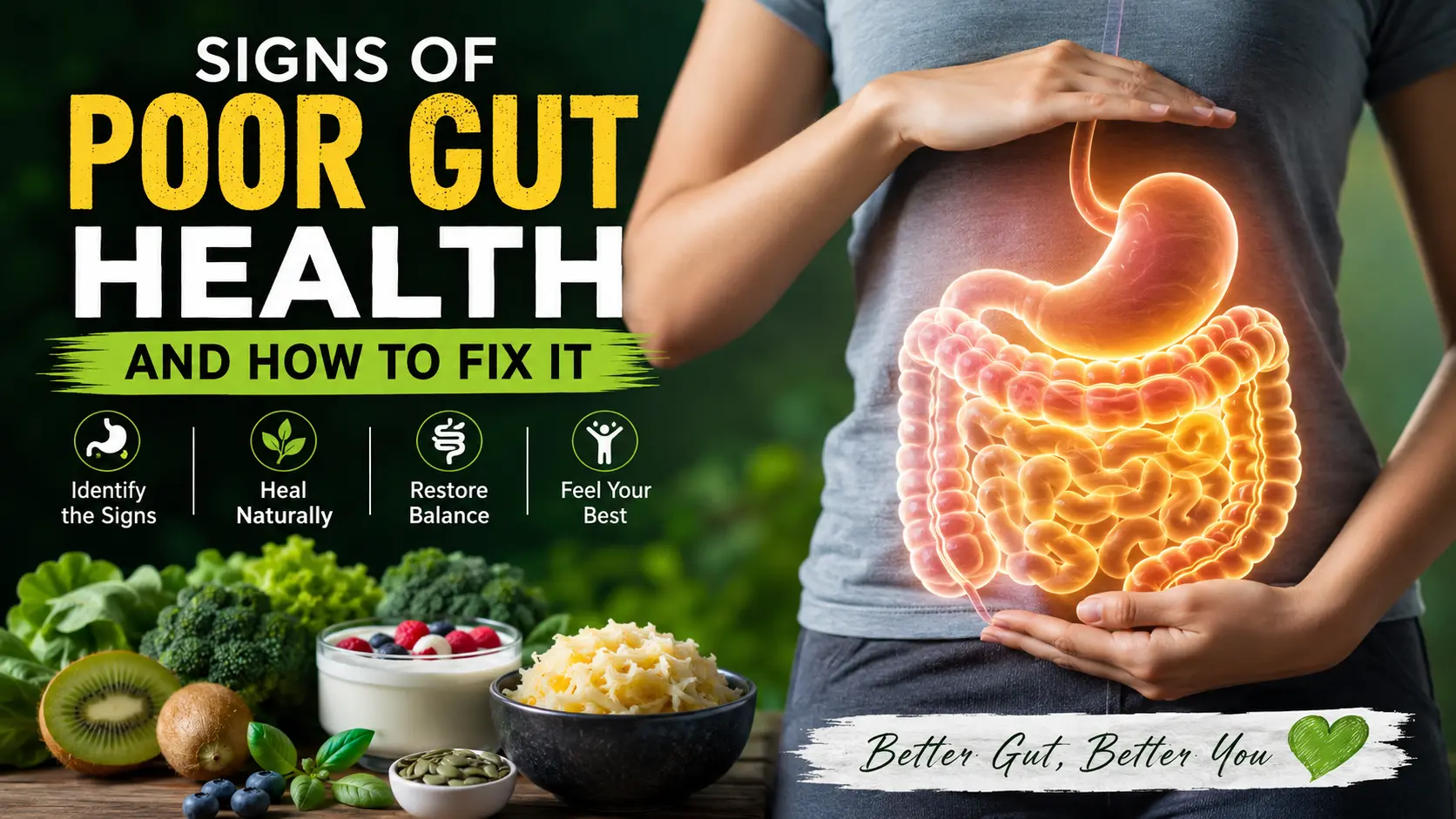
Your gut does much more than digest food. It affects your immunity, energy levels, mental clarity, skin condition, sleep quality, metabolism, and overall wellness. When your digestive system is out of balance, your body often sends warning signs long before serious health problems appear.
Understanding the signs of poor gut health and how to fix it can help you regain control over your physical and mental health naturally. Many people ignore symptoms like bloating, fatigue, irregular bowel movements, food sensitivities, or unexplained skin issues without realizing that the root cause may begin inside the gut.
In today’s modern lifestyle, processed foods, stress, lack of sleep, antibiotics, and unhealthy habits damage the delicate balance of gut bacteria. As a result, digestive problems are becoming more common worldwide.
This complete guide will explain the most important signs of poor gut health and how to fix it using science-backed strategies, practical lifestyle changes, and natural remedies that actually work. Whether you want better digestion, stronger immunity, improved energy, or healthier skin, healing your gut can transform your overall health from the inside out.
What Is Gut Health?
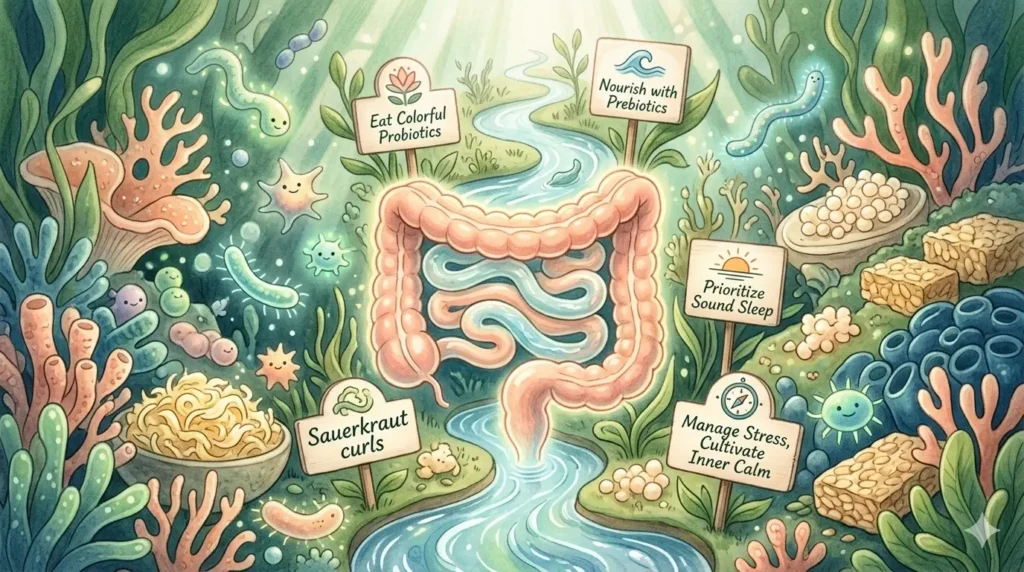
Gut health refers to the balance and function of microorganisms living in your digestive tract. Your gut contains trillions of bacteria, fungi, and microbes collectively called the gut microbiome.
Good bacteria help:
- Digest food properly
- Absorb nutrients
- Support immunity
- Regulate hormones
- Produce essential vitamins
- Control inflammation
- Improve brain function
When harmful bacteria outnumber beneficial bacteria, your digestive system becomes unbalanced. This imbalance is called gut dysbiosis.
Learning the major signs of poor gut health and how to fix it is essential because an unhealthy gut can affect nearly every organ in the body.
Why Gut Health Matters More Than You Think
Many people believe gut problems only cause stomach discomfort. In reality, poor gut health is linked to:
- Obesity
- Diabetes
- Depression
- Anxiety
- Skin disorders
- Autoimmune diseases
- Chronic fatigue
- Hormonal imbalance
- Weak immunity
Around 70% of the immune system is connected to the gut. This means your digestive health directly impacts your body’s ability to fight illness.
The connection between the brain and gut is also extremely powerful. This is why digestive issues often affect mood, stress levels, and mental clarity.
Understanding the signs of poor gut health and how to fix it can improve your quality of life in ways you may not expect.
Top Signs of Poor Gut Health and How to Fix It
Below are the most common warning signs that your gut may be unhealthy.
1. Constant Bloating and Gas
Bloating after meals is one of the biggest signs of poor gut health and how to fix it starts with understanding why it happens.
Excess gas, stomach pressure, and abdominal swelling usually occur when food is not digested properly. Harmful gut bacteria ferment undigested food, producing gas and discomfort.
Common Causes
- Processed foods
- Excess sugar
- Carbonated drinks
- Food intolerances
- Poor digestion
- Eating too fast
How to Fix It
Eat More Fiber
Fiber feeds beneficial gut bacteria and supports digestion.
Best fiber-rich foods:
- Oats
- Chia seeds
- Apples
- Lentils
- Vegetables
- Beans
Avoid Artificial Sweeteners
Artificial sweeteners can negatively affect gut bacteria and increase bloating.
Eat Slowly
Chewing properly helps digestion begin in the mouth and reduces trapped gas.
Add Probiotic Foods
Natural probiotics help restore healthy gut bacteria.
Best probiotic foods:
- Yogurt
- Kefir
- Kimchi
- Sauerkraut
- Kombucha
2. Frequent Constipation or Diarrhea
Irregular bowel movements are serious signs of poor gut health and how to fix it often involves improving your microbiome.
A healthy digestive system should eliminate waste regularly and comfortably.
Causes of Constipation
- Low fiber intake
- Dehydration
- Poor gut bacteria
- Stress
- Lack of exercise
Causes of Diarrhea
- Infections
- Food sensitivities
- Gut inflammation
- Poor bacterial balance
How to Fix It
Drink More Water
Hydration supports healthy bowel movement and digestion.
Increase Fiber Gradually
Too little fiber slows digestion, but increasing it too quickly may worsen symptoms.
Exercise Daily
Walking and physical activity stimulate digestion naturally.
Take Prebiotics
Prebiotics feed good bacteria.
Best prebiotic foods:
- Garlic
- Onions
- Bananas
- Asparagus
- Oats
Learning the connection between bowel irregularity and the signs of poor gut health and how to fix it can prevent long-term digestive complications.
3. Constant Fatigue and Low Energy
Feeling exhausted even after sleeping enough may be one of the hidden signs of poor gut health and how to fix it naturally starts with reducing gut inflammation.
When the gut cannot absorb nutrients properly, your body lacks the fuel needed for energy production.
Poor gut health may also affect sleep hormones and increase inflammation, leading to chronic fatigue.
How to Fix It
Improve Sleep Quality
Aim for 7–9 hours of sleep every night.
Reduce Sugar Intake
Excess sugar feeds harmful bacteria and causes energy crashes.
Eat Nutrient-Dense Foods
Focus on:
- Eggs
- Fish
- Leafy greens
- Nuts
- Fruits
- Whole grains
Support Gut Diversity
Eating different plant-based foods helps improve microbiome diversity.
4. Food Intolerances
Food intolerances are major signs of poor gut health and how to fix it often requires repairing the digestive lining.
Unlike food allergies, intolerances usually involve difficulty digesting certain foods.
Common intolerances include:
- Dairy
- Gluten
- Fried foods
- Spicy foods
- Artificial additives
Symptoms
- Bloating
- Nausea
- Diarrhea
- Stomach pain
- Brain fog
How to Fix It
Try an Elimination Diet
Temporarily remove suspected trigger foods and slowly reintroduce them.
Heal the Gut Lining
Foods that support gut repair include:
- Bone broth
- Collagen
- Zinc-rich foods
- Omega-3 fatty acids
Avoid Ultra-Processed Foods
These foods increase gut inflammation and weaken digestion.
5. Skin Problems
Your skin often reflects what is happening inside your gut. Acne, eczema, rosacea, and unexplained rashes can be signs of poor gut health and how to fix it naturally may improve skin appearance significantly.
An unhealthy gut increases inflammation throughout the body, including the skin.
How to Fix It
Eat Anti-Inflammatory Foods
Best options include:
- Berries
- Turmeric
- Fatty fish
- Olive oil
- Green vegetables
Stay Hydrated
Water helps flush toxins from the body.
Reduce Dairy and Sugar
These may trigger inflammation in sensitive individuals.
6. Weak Immune System
Frequent colds or infections are common signs of poor gut health and how to fix it involves strengthening beneficial bacteria.
Since most immune cells live in the gut, microbiome imbalance weakens immune defenses.
How to Fix It
Eat Fermented Foods
Fermented foods support immune-friendly bacteria.
Avoid Overusing Antibiotics
Antibiotics destroy both harmful and beneficial bacteria.
Get Enough Vitamin D
Vitamin D supports immunity and gut health.
7. Brain Fog and Poor Concentration
The gut and brain constantly communicate through the gut-brain axis. Difficulty focusing may be one of the overlooked signs of poor gut health and how to fix it starts with lowering inflammation and improving digestion.
Symptoms of Brain Fog
- Poor memory
- Difficulty concentrating
- Mental fatigue
- Mood swings
How to Fix It
Reduce Processed Foods
Processed foods increase inflammation and impair gut bacteria.
Manage Stress
Stress directly affects digestion and gut balance.
Helpful stress-reduction methods:
- Meditation
- Deep breathing
- Yoga
- Walking
- Journaling
Eat Omega-3 Foods
Omega-3 fats support both brain and gut health.
Best sources:
- Salmon
- Walnuts
- Flaxseeds
- Chia seeds
8. Unexplained Weight Changes
Sudden weight gain or weight loss can be important signs of poor gut health and how to fix it may help restore metabolic balance.
Poor gut bacteria affect:
- Hunger hormones
- Fat storage
- Blood sugar balance
- Metabolism
How to Fix It
Avoid Highly Processed Foods
Processed foods damage microbiome diversity.
Focus on Whole Foods
Eat:
- Fruits
- Vegetables
- Lean protein
- Healthy fats
- Whole grains
Balance Blood Sugar
Stable blood sugar supports healthy digestion and metabolism.
9. Bad Breath
Persistent bad breath may not always come from poor oral hygiene. It can also be one of the surprising signs of poor gut health and how to fix it requires improving digestion.
Gut imbalance may increase bacterial overgrowth and poor digestion.
How to Fix It
- Improve digestion
- Reduce sugar
- Drink water
- Eat probiotics
- Avoid overeating
10. Sugar Cravings
Strong sugar cravings are classic signs of poor gut health and how to fix it includes restoring bacterial balance.
Harmful gut bacteria thrive on sugar and may trigger stronger cravings.
How to Fix It
Eat More Protein
Protein reduces hunger and stabilizes energy.
Increase Healthy Fats
Healthy fats help reduce cravings.
Best sources:
- Avocados
- Nuts
- Seeds
- Olive oil
Sleep Properly
Poor sleep increases cravings and affects gut bacteria.
Main Causes of Poor Gut Health
Understanding the causes behind the signs of poor gut health and how to fix it is essential for long-term healing.
1. Processed Foods
Processed foods often contain preservatives, sugar, and unhealthy fats that damage gut bacteria.
2. Excess Sugar
Sugar feeds harmful bacteria and yeast.
3. Chronic Stress
Stress changes gut bacteria and weakens digestion.
4. Lack of Sleep
Poor sleep affects gut balance and increases inflammation.
5. Antibiotics
Frequent antibiotic use destroys beneficial bacteria.
6. Low Fiber Diet
Fiber is essential for feeding healthy gut microbes.
7. Alcohol and Smoking
These irritate the digestive tract and harm gut bacteria.
Best Foods for Gut Health
Healing the gut naturally requires eating foods that support healthy bacteria.
Fermented Foods
These contain natural probiotics.
Examples:
- Yogurt
- Kefir
- Kimchi
- Sauerkraut
- Miso
Fiber-Rich Foods
Fiber supports beneficial bacteria.
Examples:
- Oats
- Beans
- Fruits
- Vegetables
- Seeds
Prebiotic Foods
Prebiotics feed probiotics.
Examples:
- Garlic
- Onion
- Banana
- Asparagus
Healthy Fats
Healthy fats reduce inflammation.
Examples:
- Olive oil
- Avocados
- Salmon
- Nuts
Polyphenol Foods
Polyphenols support microbiome diversity.
Examples:
- Green tea
- Berries
- Dark chocolate
- Coffee
Adding these foods regularly can help reverse the signs of poor gut health and how to fix it effectively over time.
Worst Foods for Gut Health
Some foods damage gut bacteria and increase inflammation.
Foods to Limit
- Sugary drinks
- Fast food
- Artificial sweeteners
- Processed snacks
- Refined carbohydrates
- Excess alcohol
Avoiding these foods is a major step in addressing the signs of poor gut health and how to fix it naturally.
Best Supplements for Gut Health
Supplements may help support gut healing when combined with a healthy lifestyle.
Probiotics
Probiotics introduce beneficial bacteria into the gut.
Digestive Enzymes
These help break down food properly.
L-Glutamine
Supports intestinal lining repair.
Omega-3 Supplements
Reduce inflammation and support gut health.
Psyllium Husk
Improves bowel regularity and digestion.
Always consult a healthcare professional before starting supplements.
Natural Lifestyle Changes for Better Gut Health
Lifestyle habits strongly influence gut health.
Exercise Regularly
Physical activity improves microbiome diversity.
Sleep Consistently
Sleep helps repair the digestive system.
Reduce Stress
Stress negatively affects digestion and gut bacteria.
Spend Time Outdoors
Exposure to nature may support microbiome diversity.
Eat Slowly
Mindful eating improves digestion.
These habits play a huge role in improving the signs of poor gut health and how to fix it long term.
How Long Does It Take to Heal Gut Health?
Gut healing depends on:
- Diet quality
- Stress levels
- Sleep habits
- Severity of imbalance
- Lifestyle consistency
Some people notice improvements within a few weeks, while others may need several months.
Consistency is the key to reversing the signs of poor gut health and how to fix it successfully.
Daily Routine for Better Gut Health
Here’s a practical routine to improve digestive health naturally.
Morning
- Drink warm water
- Eat a fiber-rich breakfast
- Get sunlight exposure
Afternoon
- Eat balanced meals
- Stay hydrated
- Walk after meals
Evening
- Avoid heavy late-night eating
- Reduce screen time
- Sleep on schedule
Small habits practiced daily create long-term gut health improvements.
Gut Health and Mental Health Connection
The gut produces neurotransmitters like serotonin, which affect mood and emotions.
Poor gut health may contribute to:
- Anxiety
- Depression
- Mood swings
- Stress
Understanding the emotional side of the signs of poor gut health and how to fix it helps explain why many people feel mentally better after improving digestion.
Gut Health and Weight Loss
A healthy gut supports healthy weight management.
Balanced gut bacteria help:
- Control appetite
- Improve metabolism
- Reduce cravings
- Lower inflammation
Many people struggling with weight issues discover that improving the signs of poor gut health and how to fix it helps them lose weight naturally.
Signs Your Gut Health Is Improving
Positive changes include:
- Better digestion
- Reduced bloating
- Increased energy
- Clearer skin
- Better sleep
- Regular bowel movements
- Improved mood
These are strong indicators that your gut microbiome is healing.
Common Mistakes That Damage Gut Health
Avoid these habits if you want lasting digestive wellness.
Overusing Antibiotics
Only use antibiotics when medically necessary.
Eating Too Much Sugar
Sugar feeds harmful bacteria.
Ignoring Stress
Stress directly harms digestion.
Lack of Sleep
Sleep deprivation damages the microbiome.
Extreme Dieting
Restrictive diets may weaken gut diversity.
Preventing these mistakes is critical when managing the signs of poor gut health and how to fix it naturally.
Expert Tips for Long-Term Gut Health
Eat More Plants
Aim for a variety of fruits and vegetables weekly.
Stay Hydrated
Water supports digestion and detoxification.
Cook More Meals at Home
Homemade meals are healthier for gut balance.
Limit Processed Foods
Whole foods improve microbiome diversity.
Listen to Your Body
Pay attention to how foods affect your digestion.
Frequently Asked Questions
What are the first signs of poor gut health?
The earliest signs often include bloating, constipation, fatigue, food intolerances, and skin problems.
Can poor gut health cause anxiety?
Yes. The gut-brain connection strongly affects mood, stress, and mental health.
How can I improve gut health naturally?
Eat fiber-rich foods, probiotics, prebiotics, sleep well, reduce stress, and avoid processed foods.
Are probiotics necessary?
Not always, but they may help restore beneficial bacteria in some individuals.
How long does gut healing take?
Mild gut imbalance may improve in weeks, while severe issues can take months.
Does sugar damage gut health?
Excess sugar feeds harmful bacteria and increases inflammation.
Can gut health affect skin?
Yes. Poor gut health is linked to acne, eczema, and inflammation.
What foods heal the gut fastest?
Fermented foods, fiber-rich vegetables, bone broth, and healthy fats support healing.
Does stress affect digestion?
Yes. Chronic stress can disrupt gut bacteria and digestion significantly.
Can improving gut health increase energy?
Absolutely. Better nutrient absorption and reduced inflammation often improve energy levels.
Final Thoughts
Your digestive system influences far more than stomach comfort. It affects your immunity, mood, skin, energy, sleep, metabolism, and overall wellness. Ignoring the signs of poor gut health and how to fix it may lead to long-term physical and mental health problems.
The good news is that your gut can heal with the right habits. Small changes like eating more fiber, reducing sugar, improving sleep, managing stress, and consuming probiotic foods can create major improvements over time.
Healing your gut is not about following extreme diets or quick fixes. It is about creating a sustainable lifestyle that supports beneficial bacteria and reduces inflammation naturally.
If you consistently follow the strategies in this guide, you can improve digestion, boost energy, strengthen immunity, and build a healthier body from the inside out.
Understanding the signs of poor gut health and how to fix it is one of the most powerful steps you can take toward long-term health and wellness.