Introduction
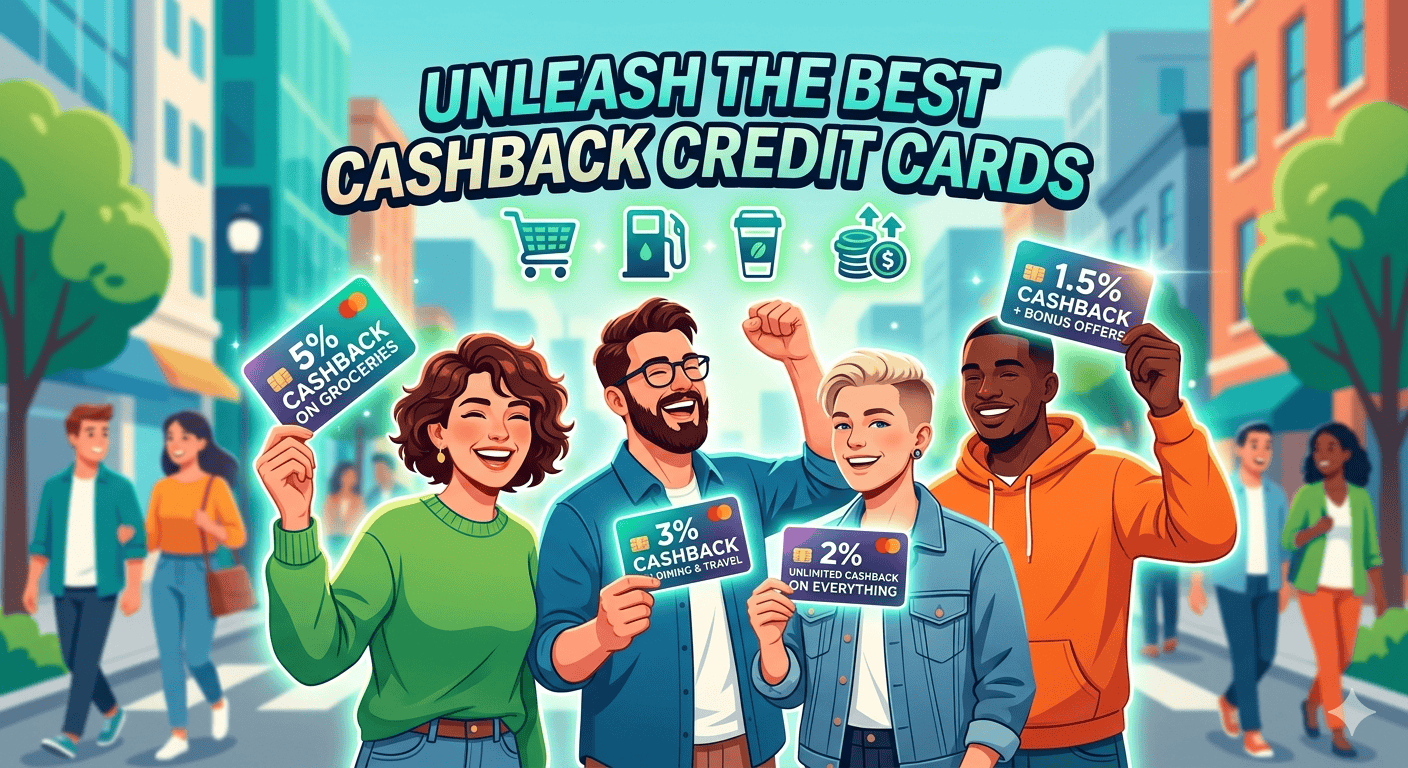
In today’s digital world, credit cards are not just a payment tool—they are a powerful way to save money. One of the most popular benefits users look for is cashback. If used smartly, the best credit cards for cashback can help you earn thousands of rupees every year on your regular expenses like shopping, bills, travel, and dining.
This detailed guide will help you understand everything about cashback credit cards, how they work, and which ones are the best in India in 2026.
What Are Cashback Credit Cards?
Cashback credit cards are cards that give you a percentage of your spending back as cash rewards. Instead of earning reward points or miles, you get direct money credited to your account.
How Cashback Works
- Spend ₹1,000 → Earn 5% cashback → Get ₹50 back
- Cashback is credited monthly or per billing cycle
- Some cards have limits (caps) on cashback
Many cards offer:
- Flat cashback (same % on all spends)
- Category-based cashback (higher % on specific categories)
Why Choose Cashback Credit Cards?
Using the best credit cards for cashback offers several advantages:
1. Direct Savings
You earn real money instead of reward points.
2. Easy to Understand
No complex conversions—cashback is simple.
3. Ideal for Beginners
Perfect for first-time credit card users.
4. Works on Everyday Spending
Earn cashback on groceries, bills, fuel, etc.
Types of Cashback Credit Cards
1. Flat Cashback Cards
- Same cashback rate on all purchases
- Example: 1–2% on every spend
2. Category-Based Cashback Cards
- Higher cashback on specific categories like:
- Online shopping
- Dining
- Travel
3. Co-Branded Cashback Cards
- Partnered with brands like Amazon, Flipkart
- Offer higher cashback on specific platforms
Best Credit Cards for Cashback in India
Here are the top-performing cashback credit cards based on rewards, fees, and usability.
1. SBI Cashback Credit Card
Key Features
- 5% cashback on online spends
- 1% cashback on offline transactions
- Cashback credited automatically
Best For
- Online shopping users
Pros
- Simple cashback structure
- Works across most websites
Cons
- Cashback cap applies
- Limited offline rewards
👉 This card is considered one of the best for online users due to its flat cashback stru
2. HDFC Millennia Credit Card
Key Features
- 5% cashback on Amazon, Flipkart, etc.
- 1% on other spends
- Annual fee waiver on high usage
Best For
- Millennials and online shoppers
Pros
- High cashback on popular platforms
- Good for beginners
Cons
- Limited merchants for 5% cashback
👉 Widely used for e-commerce cashback rewards.
3. Axis Bank Ace Credit Card
Key Features
- 5% cashback on bill payments
- 4% cashback on select apps
- Low annual fee
Best For
- Utility bill payments
Pros
- Excellent for daily expenses
- Works with Google Pay
Cons
- Cashback depends on payment method
👉 Strong value for utility-based spending.
4. Amazon Pay ICICI Credit Card
Key Features
- 5% cashback for Prime members
- 3% cashback for non-Prime users
- No annual fee
Best For
- Amazon shoppers
Pros
- Lifetime free card
- Easy cashback system
Cons
- Limited benefits outside Amazon
👉 One of the most popular cashback cards in India.
5. Flipkart Axis Bank Credit Card
Key Features
- 5% cashback on Flipkart
- 7.5% on Myntra
- 4% on partner merchants
Best For
- Flipkart & Myntra users
Pros
- High cashback rates
- Great for fashion & shopping
Cons
- Cashback caps apply
6. Airtel Axis Bank Credit Card
Key Features
- Up to 25% cashback on Airtel services
- 10% cashback on food delivery & groceries
Best For
- Airtel users
Pros
- High category cashback
- Good for monthly bills
Cons
- Limited ecosystem
👉 Offers some of the highest category-based cashback.
7. HSBC Cashback Credit Card
Key Features
- 1.5% flat cashback
- No category restrictions
Best For
- General spending
Pros
- Simple and consistent rewards
Cons
- Lower cashback compared to others

Comparison Table
| Card Name | Cashback Rate | Annual Fee | Best For |
|---|---|---|---|
| SBI Cashback | 5% online | ₹999 | Online shopping |
| HDFC Millennia | Up to 5% | ₹1,000 | E-commerce |
| Axis Ace | 5% bills | ₹499 | Utility payments |
| Amazon Pay ICICI | 5% Amazon | Free | Amazon users |
| Flipkart Axis | Up to 7.5% | ₹500 | Flipkart/Myntra |
| Airtel Axis | Up to 25% | ₹500 | Airtel users |
| HSBC Cashback | 1.5% flat | ₹999 | General use |
How to Choose the Best Cashback Credit Card
Choosing the best credit cards for cashback depends on your spending habits.
1. Identify Your Spending Pattern
- Online shopping → SBI Cashback
- Bills → Axis Ace
- Amazon → Amazon Pay ICICI
2. Check Cashback Caps
Some cards limit how much cashback you can earn monthly.
3. Consider Annual Fees
Choose cards with fee waivers or lifetime free options.
4. Look for Extra Benefits
- Lounge access
- Fuel surcharge waiver
- Insurance benefits
Tips to Maximize Cashback
Using the best credit cards for cashback is not just about owning a card—it’s about using it smartly. Many users fail to unlock the full potential of cashback simply because they don’t follow the right strategies. If you apply the tips below properly, you can significantly increase your savings every month.
1. Use the Right Card for Each Category
Different cashback credit cards are designed to reward specific types of spending. This means that using one card for everything may not give you the best returns.
Why This Matters
Most of the best credit cards for cashback offer higher rewards in selected categories such as:
- Online shopping (Amazon, Flipkart)
- Grocery purchases
- Dining and food delivery
- Utility bill payments
- Travel bookings
For example:
- One card may give 5% cashback on online shopping
- Another may give 5% cashback on bill payments
- A third may give 10% on food delivery
If you use only one card for all expenses, you may miss out on higher cashback opportunities.
Smart Strategy
Divide your spending based on categories:
- Use a shopping card for online purchases
- Use a utility card for electricity, mobile, and broadband bills
- Use a dining card for restaurants and food apps
This way, every rupee you spend earns the maximum possible cashback.
Pro Tip
Create a simple system:
- Label your cards (mentally or physically)
- Remember which card is best for which category
- Always choose the highest cashback option
2. Track Spending Limits and Cashback Caps
Most cashback credit cards come with limits on how much cashback you can earn in a month or billing cycle. These limits are known as cashback caps.
Why Tracking Is Important
Even the best credit cards for cashback have restrictions like:
- 5% cashback up to ₹1,000 per month
- After reaching the cap, cashback drops to 1% or stops
If you don’t track your spending:
- You may exceed the limit unknowingly
- You’ll earn lower rewards beyond the cap
How to Manage This
- Check your monthly cashback limit
- Monitor your spending through the bank app
- Stop using that card once you hit the cap
- Switch to another cashback card after reaching the limit
Example
If your card offers:
- 5% cashback up to ₹1,000
You should:
- Spend only ₹20,000 in that category (to maximize 5%)
- After that, switch to another card
Pro Tip
Set reminders or alerts in your banking app to track your usage and avoid crossing limits unnecessarily.
3. Pay Bills Through Cashback Platforms
One of the smartest ways to maximize cashback is by using digital payment platforms that offer additional rewards.
Popular Platforms
Apps like Google Pay, PhonePe, and Paytm often provide extra cashback or offers when you pay bills using your credit card.
Why This Works
When you combine:
- Credit card cashback
- Platform cashback
You get double savings on a single transaction.
Example
- Credit card gives: 5% cashback
- Payment app gives: ₹50 bonus cashback
Total benefit = Higher than normal spending
Best Payments to Make
Use cashback platforms for:
- Electricity bills
- Mobile recharges
- DTH payments
- Broadband bills
- Insurance premiums
Important Tips
- Always check if your credit card supports bill payments via that app
- Look for ongoing offers or promo deals
- Avoid extra convenience charges
4. Combine Multiple Credit Cards Strategically
One of the most powerful strategies to maximize cashback is using multiple cards instead of relying on just one.
Why Multiple Cards Work Better
No single card offers the highest cashback on all categories. But when you combine 2–3 cards, you can cover all major expenses.
The best credit cards for cashback are often complementary, meaning:
- One is good for shopping
- One is best for bills
- Another works well for dining or travel
Example Strategy
You can create a simple setup like:
- Card 1 → Online shopping (5% cashback)
- Card 2 → Utility bills (5% cashback)
- Card 3 → General spending (1.5–2% cashback)
This ensures that:
- Every transaction gives maximum returns
- No spending category is left out
Benefits of This Approach
- Higher total cashback
- Better utilization of each card
- Reduced dependency on a single card
Important Warning
While using multiple cards:
- Keep track of due dates
- Avoid missing payments
- Monitor annual fees
Bonus Tips to Boost Cashback Even More
To go beyond basic strategies, here are some advanced tips:
1. Time Your Purchases During Sales
E-commerce platforms often provide additional cashback during sales.
2. Activate Offers Regularly
Many cards require manual activation of cashback deals.
3. Avoid Excluded Categories
Some transactions (like rent or wallet loads) may not earn cashback.
4. Pay Your Bills on Time
Late fees and interest charges can wipe out your cashback earnings.
Common Mistakes to Avoid When Using Cashback Credit Cards
While the best credit cards for cashback can help you save money, many users fail to get maximum benefits because of common mistakes. These mistakes may seem small, but they can significantly reduce or even cancel out your cashback earnings. Let’s understand each one in detail so you can avoid them and use your card smartly.
1. Ignoring Cashback Caps
One of the most common mistakes people make is not paying attention to cashback limits, also known as cashback caps.
What Are Cashback Caps?
Most cashback credit cards offer a high cashback percentage, such as 5%, but only up to a certain limit per month or billing cycle.
For example:
- 5% cashback up to ₹1,000 per month
- After reaching ₹1,000, cashback drops to 1% or stops
Why This Is a Problem
If you continue spending after reaching the cap:
- You earn very low or no cashback
- You miss the opportunity to use another card with better rewards
Many users assume they are still earning high cashback, but in reality, they are not.
How to Avoid This Mistake
- Always check the monthly cashback limit
- Track your spending through your bank’s mobile app
- Switch to another card once you hit the cap
- Plan your big purchases accordingly
👉 The best credit cards for cashback are only effective if you use them within their reward limits.
2. Paying Late Fees and Interest Charges
Another major mistake is not paying your credit card bill on time. This can completely cancel out your cashback benefits.
Why This Matters
Credit cards usually charge:
- High interest rates (30%–40% annually)
- Late payment fees
- GST on interest and penalties
Even a small delay can result in charges that are higher than your cashback earnings.
Example
- Cashback earned: ₹800
- Late fee + interest: ₹1,200
👉 Net loss: ₹400
Long-Term Impact
- Reduces your savings
- Damages your credit score
- Makes credit cards more expensive
How to Avoid This Mistake
- Always pay the full bill before the due date
- Set auto-pay for minimum or full amount
- Enable payment reminders
- Avoid using more than you can repay
👉 Even the best credit cards for cashback become useless if you incur high interest charges.
3. Choosing the Wrong Credit Card
Many people select a credit card based on popularity, advertisements, or recommendations without considering their own spending habits.
Why This Is a Mistake
Every cashback card is designed for specific usage patterns. For example:
- Some cards are best for online shopping
- Some are better for utility bills
- Others are ideal for travel or dining
If your spending does not match the card’s reward categories:
- You earn lower cashback
- You miss out on better opportunities
Example
- You choose a shopping card but spend mostly on bills
👉 Result: Low cashback earnings
How to Choose the Right Card
- Analyze your monthly expenses
- Identify your top spending categories
- Compare cashback rates across cards
- Choose a card that matches your lifestyle
👉 The best credit cards for cashback are not the most popular ones—they are the ones that suit your spending habits.
4. Overspending Just to Earn Cashback
This is one of the most dangerous mistakes. Cashback offers can sometimes tempt users to spend more than necessary.
Why This Happens
- Attractive offers like “5% cashback”
- Limited-time deals
- Psychological urge to “save more”
But in reality:
👉 Spending more to earn cashback leads to overall loss.
Example
- You spend ₹5,000 extra to earn ₹250 cashback
👉 Net loss: ₹4,750
Why It’s Harmful
- Increases unnecessary expenses
- Leads to debt accumulation
- Reduces financial discipline
How to Avoid This Mistake
- Spend only on necessary items
- Treat cashback as a bonus, not a goal
- Stick to your monthly budget
- Avoid impulse purchases
👉 Remember: The best credit cards for cashback reward smart spending—not extra spending.
Who Should Use Cashback Credit Cards?
Cashback cards are ideal for:
1. Online Shoppers
Earn on Amazon, Flipkart, etc.
2. Salaried Individuals
Save on monthly bills.
3. Students & Beginners
Simple reward system.
4. Families
Save on groceries, utilities, and dining.
Latest Trends in Cashback Credit Cards
- Increased focus on UPI-linked credit cards
- More co-branded cards
- Cashback caps being revised
👉 Recent updates show some cashback limits are being reduced, so users should review benefits regularly.
Advantages vs Disadvantages of Cashback Credit Cards
Understanding the pros and cons of cashback cards is essential before choosing the best credit cards for cashback. While these cards offer excellent savings opportunities, they also come with certain limitations. Let’s explore both sides in detail.
Advantages of Cashback Credit Cards
1. Easy Savings on Everyday Spending
One of the biggest advantages of using the best credit cards for cashback is the ability to save money effortlessly. Unlike traditional rewards programs where you need to redeem points, cashback is straightforward—you spend, and you get money back.
For example, if your card offers 5% cashback on online shopping and you spend ₹10,000 in a month, you can earn ₹500 back. This makes cashback cards highly practical for daily use such as:
- Grocery shopping
- Utility bill payments
- Online purchases
- Fuel expenses
Over time, these small savings add up significantly, helping you reduce your overall expenses without changing your spending habits.
2. Simple and Transparent Reward System
Cashback credit cards are known for their simplicity. Unlike reward point systems that often involve complicated conversions, expiry dates, and redemption rules, cashback is easy to understand.
Here’s why simplicity matters:
- No need to calculate point values
- No confusion about redemption options
- Cashback is usually credited automatically
- Easy tracking through monthly statements
This makes the best credit cards for cashback ideal for beginners who want a hassle-free experience. Even experienced users prefer cashback cards because of their transparency and predictability.
3. Ideal for Daily Use and Routine Expenses
Cashback credit cards are designed to reward you for everyday spending rather than occasional luxury purchases. This makes them extremely practical.
You can earn cashback on:
- Monthly utility bills (electricity, mobile, internet)
- Food delivery and dining
- Online shopping platforms
- Travel bookings
- Pharmacy and medical expenses
Since these are regular expenses, cashback becomes a consistent benefit. The best credit cards for cashback turn your routine spending into a saving opportunity without requiring extra effort.
4. Real Monetary Benefit (Not Just Points)
Unlike reward-based cards, cashback gives you actual money value. This is a major advantage because:
- Cashback can be directly used to reduce your bill
- No restrictions on usage
- No need to convert or redeem
For example, if you earn ₹1,000 cashback, it directly reduces your credit card bill or gets credited to your account. This makes cashback more flexible and valuable compared to reward points or travel miles.
5. Great for Budget-Conscious Users
If you are someone who carefully manages expenses, cashback cards can be a powerful financial tool. The best credit cards for cashback help you:
- Stay within budget
- Track spending easily
- Get returns on necessary purchases
This makes them ideal for salaried individuals, students, and families who want maximum value from their everyday spending.
6. Wide Availability and Easy Approval
Cashback credit cards are widely available and often easier to get approved compared to premium travel or luxury cards. Many banks offer entry-level cashback cards with:
- Low income requirements
- Minimal documentation
- Lifetime free options
This accessibility makes cashback cards a great starting point for beginners entering the credit card ecosystem.
Disadvantages of Cashback Credit Cards
While cashback cards offer many benefits, they also come with certain drawbacks that you should understand before applying.
1. Cashback Caps Limit Your Earnings
One of the most common disadvantages of cashback cards is the presence of cashback limits or caps. Even if a card offers high cashback rates, there is usually a maximum amount you can earn per month or billing cycle.
For example:
- 5% cashback up to ₹1,000 per month
- After the cap, cashback drops to 1% or zero
This means:
- High spenders may not benefit fully
- Earnings are restricted beyond a limit
When choosing the best credit cards for cashback, it is important to check these caps carefully to avoid disappointment.
2. Limited Categories for High Cashback
Many cashback cards offer higher rewards only on specific categories such as:
- Online shopping
- Dining
- Travel
- Partner platforms
Outside these categories, the cashback rate is usually very low (around 1%). This creates limitations:
- You may not earn much on offline spending
- Some categories like rent or fuel may be excluded
- Benefits depend heavily on your spending habits
This is why not every cashback card suits every user. The best credit cards for cashback should match your lifestyle and spending patterns.
3. Annual Fees Can Reduce Overall Savings
Although some cashback cards are free, many come with annual fees ranging from ₹500 to ₹1,000 or more.
If you don’t use the card enough, the annual fee can cancel out your cashback earnings. For example:
- Earned cashback: ₹800
- Annual fee: ₹1,000
- Net loss: ₹200
Some cards offer fee waivers if you spend a certain amount annually, but this may encourage unnecessary spending.
4. High Interest Rates on Unpaid Balances
Cashback benefits can quickly disappear if you don’t pay your credit card bill on time. Credit cards usually have high interest rates (30–40% annually).
If you carry a balance:
- Interest charges exceed cashback earnings
- Late fees add to the cost
- Your credit score may be affected
This is a major disadvantage if not managed properly. The best credit cards for cashback are only beneficial when used responsibly.
5. Exclusions on Certain Transactions
Not all transactions qualify for cashback. Many cards exclude:
- Fuel transactions (in some cases)
- Rent payments
- Wallet loads
- EMI transactions
This means you may not earn cashback on all your spending, which reduces the overall value of the card.
6. Temptation to Overspend
Cashback offers can sometimes encourage users to spend more than necessary just to earn rewards.
For example:
- Spending ₹5,000 extra to earn ₹250 cashback
This defeats the purpose of saving money. Cashback should be a benefit, not a reason to increase expenses.
10 FAQs About Maximizing Cashback on Credit Cards
Here are the most commonly asked questions to help you get the most out of the best credit cards for cashback:
1. How can I maximize cashback on my credit card?
To maximize cashback, you should:
- Use the right card for each spending category
- Track cashback limits and caps
- Pay through platforms like Google Pay for extra rewards
- Combine multiple cashback cards strategically
Following these steps ensures you earn the highest possible returns on every transaction.
2. Is it better to use one card or multiple cashback cards?
Using multiple cards is usually better. The best credit cards for cashback often specialize in different categories like shopping, bills, or dining. By combining 2–3 cards, you can maximize rewards across all expenses.
3. Do all transactions earn cashback?
No, not all transactions are eligible. Many cards exclude:
- Rent payments
- Wallet transfers
- Fuel (in some cases)
- EMI transactions
Always check the card’s terms and conditions to understand eligible categories.
4. What is a cashback cap?
A cashback cap is the maximum amount you can earn in a billing cycle. For example:
- 5% cashback up to ₹1,000 per month
After reaching this limit, cashback may reduce or stop. Tracking this is essential when using the best credit cards for cashback.
5. How is cashback credited?
Cashback is usually:
- Credited to your card statement
- Adjusted against your bill
- Given monthly or per billing cycle
Some cards may credit it as reward balance first, then convert it into cash.
6. Can cashback expire?
In most cases, cashback does not expire once credited to your statement. However, if it is given as reward points or wallet balance, it may have an expiry date. Always check your card’s policy.
7. Are cashback credit cards suitable for beginners?
Yes, cashback cards are ideal for beginners because:
- They are simple to understand
- No complex reward systems
- Easy to track earnings
This makes the best credit cards for cashback a great starting point for new users.
8. Do cashback cards charge annual fees?
Some cashback cards are lifetime free, while others charge annual fees. Many cards also offer fee waivers if you spend a certain amount annually. Always compare fees with expected cashback earnings.
9. Can I lose money while using cashback credit cards?
Yes, if not used properly. You may lose money due to:
- High interest on unpaid balances
- Late payment fees
- Annual fees exceeding cashback earned
Responsible usage is key to benefiting from the best credit cards for cashback.
10. What is the best strategy for earning maximum cashback?
The best strategy includes:
- Categorizing your spending
- Using different cards for different purposes
- Tracking limits and billing cycles
- Paying bills on time
By following a disciplined approach, you can turn everyday spending into consistent savings.
Final Thoughts and Conclusion
Cashback credit cards have become one of the smartest and most practical financial tools for modern consumers. Whether you are shopping online, paying monthly bills, or managing daily expenses, the best credit cards for cashback allow you to earn real savings on money you already spend.
The biggest advantage of cashback cards lies in their simplicity. Unlike complicated reward systems, cashback is direct, transparent, and easy to use. You don’t need to worry about point conversions or redemption rules—what you earn is what you save. This makes cashback cards suitable for everyone, from beginners to experienced credit card users.
However, to truly benefit, it is important to use these cards strategically. Simply owning a cashback card is not enough. You need to:
- Choose the right card based on your spending habits
- Use different cards for different categories
- Keep track of cashback limits and caps
- Always pay your dues on time to avoid interest charges
When used wisely, cashback credit cards can help you save a significant amount every year without changing your lifestyle. But if used carelessly—such as overspending or missing payments—the benefits can quickly disappear.
Key Takeaway
The best credit cards for cashback are not about spending more—they are about spending smarter.
If you focus on disciplined usage, smart planning, and responsible credit behavior, cashback cards can become a powerful tool to improve your financial efficiency and maximize savings in 2026 and beyond.
👉 Start with one card, understand how it works, and gradually build a strategy that fits your lifestyle.